Accessible Tactile Paving in Subway
Accessible Tactile Paving in Subway
Navigating Exits for White Cane Users
Navigating Exits for White Cane Users
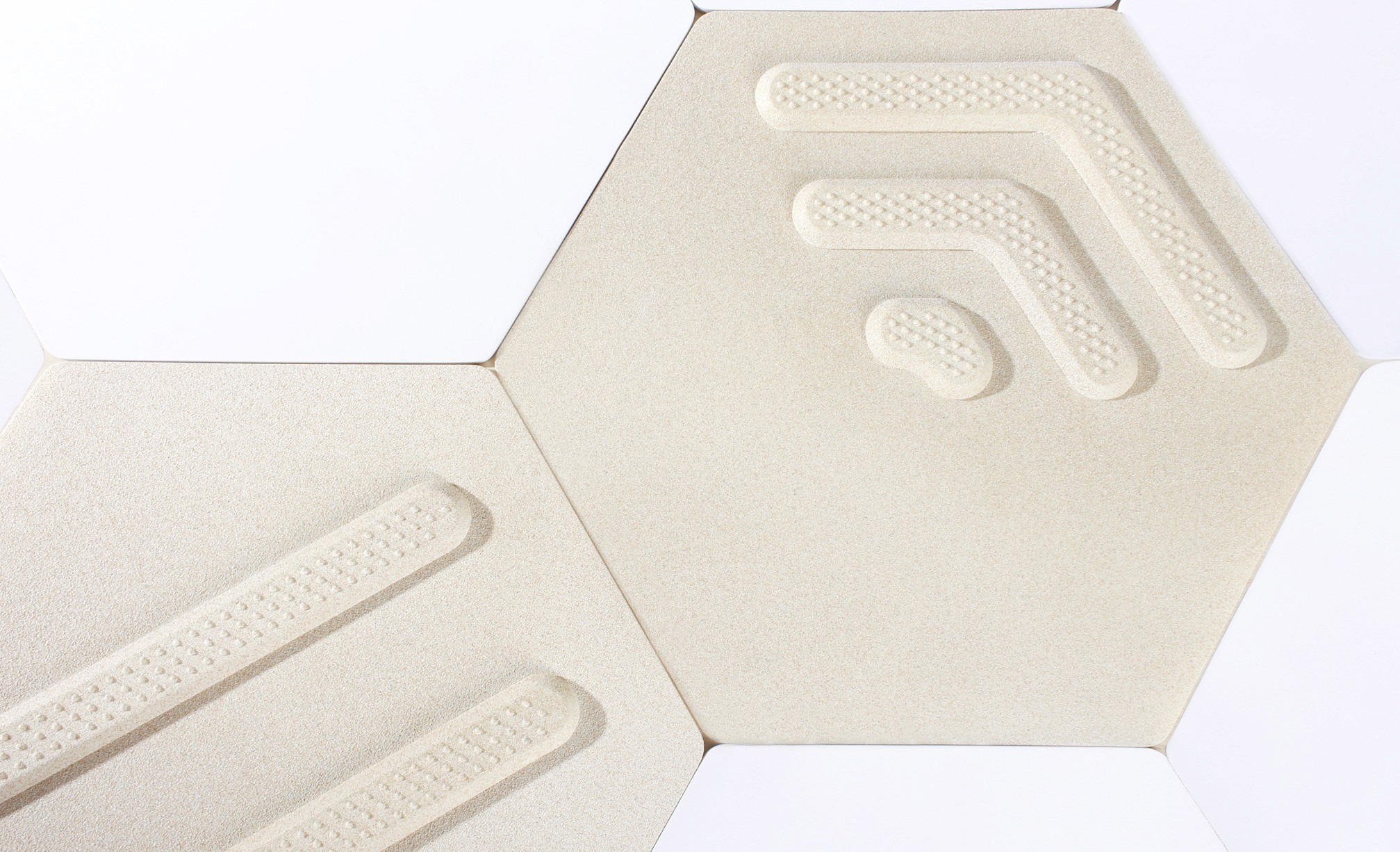
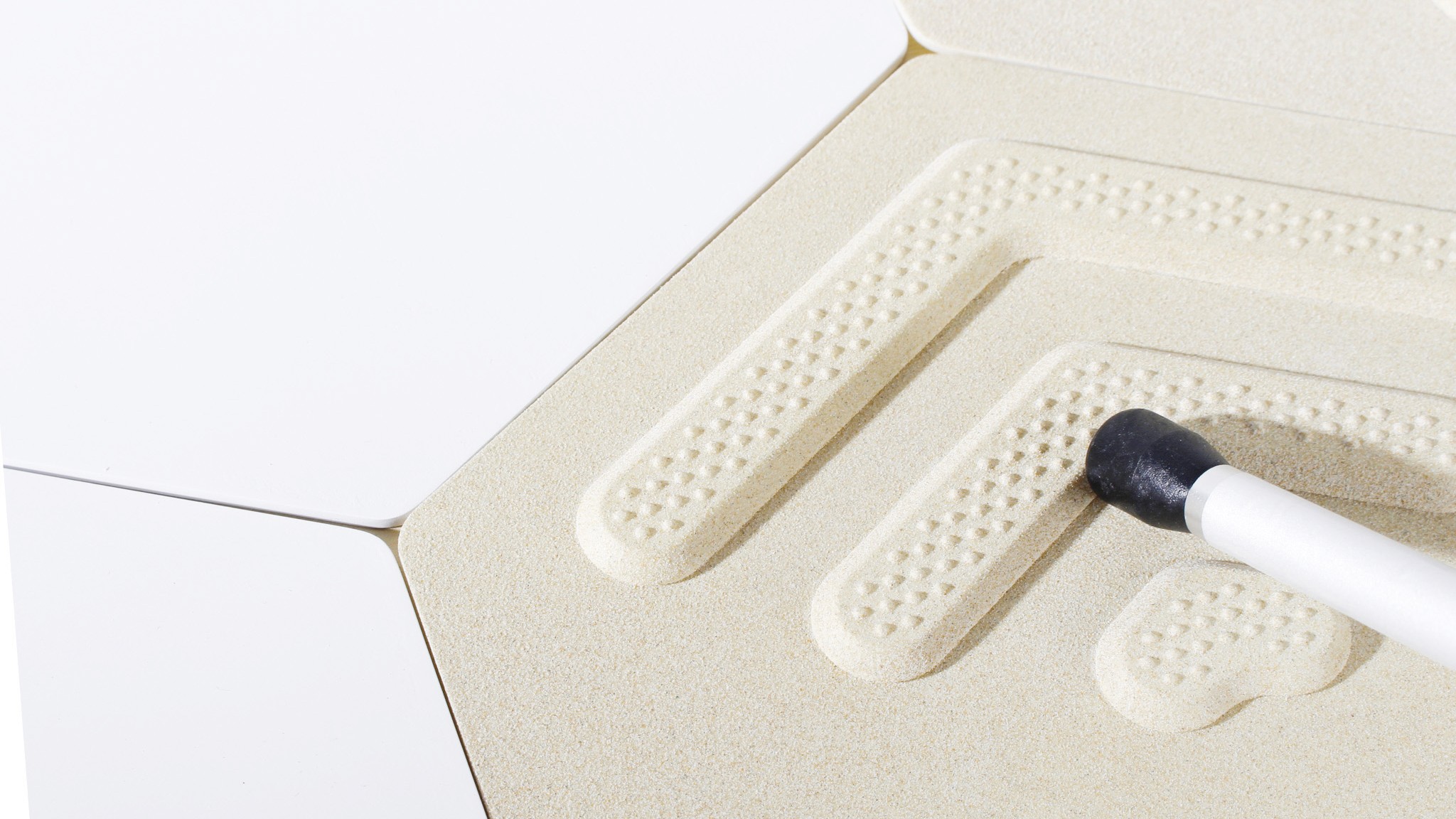
Accessible Tactile Paving is a system specially designed for subway use in Taiwan. After exiting a train, visually impaired users can follow the tactile paving underfoot to navigate the station and find their way out independently.
Accessible Tactile Paving is a system specially designed for subway use in Taiwan. After exiting a train, visually impaired users can follow the tactile paving underfoot to navigate the station and find their way out independently.
Disciplines
Disciplines
Industrial Design
Accessible Design
Industrial Design
Accessible Design
Tools
Tools
Fusion 360
Creo
Keyshot
Fusion 360
Creo
Keyshot
Accessible transportation is essential for independent mobility, yet many visually impaired passengers still face challenges navigating public transit systems. While Taipei MRT stations meet accessibility standards, traditional tactile paving primarily signals caution and pathways without providing clear directional guidance.
To address this challenge, I redesigned traditional tactile paving into a hexagonal system that provides both directional and navigational information.
Accessible transportation is essential for independent mobility, yet many visually impaired passengers still face challenges navigating public transit systems. While Taipei MRT stations meet accessibility standards, traditional tactile paving primarily signals caution and pathways without providing clear directional guidance.
To address this challenge, I redesigned traditional tactile paving into a hexagonal system that provides both directional and navigational information.

The hexagonal format also creates a modular system capable of adapting to complex transportation environments while maintaining a clear tactile language.
The hexagonal format also creates a modular system capable of adapting to complex transportation environments while maintaining a clear tactile language.
One of the most valuable lessons from this project was learning to design alongside users rather than for them. Every interview, observation, and testing session revealed nuances that would have been impossible to uncover through assumptions alone.
Working closely with visually impaired participants helped me better understand how they perceive space, movement, and navigation. Their expertise shaped the project at every stage of development.
One of the most valuable lessons from this project was learning to design alongside users rather than for them. Every interview, observation, and testing session revealed nuances that would have been impossible to uncover through assumptions alone.
Working closely with visually impaired participants helped me better understand how they perceive space, movement, and navigation. Their expertise shaped the project at every stage of development.